

-
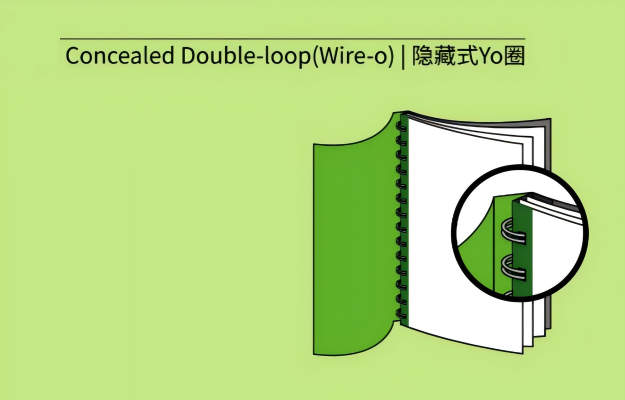 Concealed Double-loop Wire BindingThis binding conceals the double-loop wire within the cover structure. It maintains lay-flat functionality while improving visual presentation. The spine appears cleaner and more refined. It is suitable for premium notebooks and branded publications.
 -
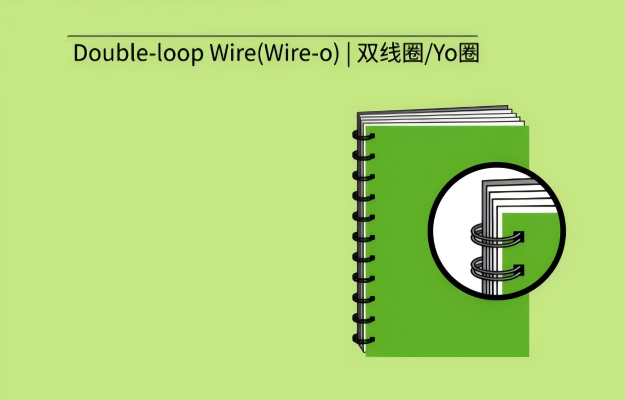 Double-loop Wire (Wire-O) BindingWire-O binding uses metal double-loop wires inserted through punched holes. It allows pages to open flat and align neatly when closed. This method offers better durability than plastic coils. It is widely used for reports, planners, and presentations.
 -
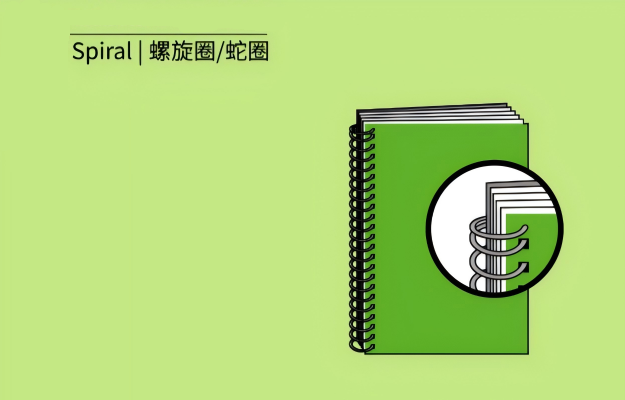 Spiral BindingSpiral binding uses plastic or metal coils inserted through punched holes. Pages can rotate 360 degrees for maximum flexibility. It is ideal for notebooks, manuals, and calendars. Spine branding options are limited.
 -
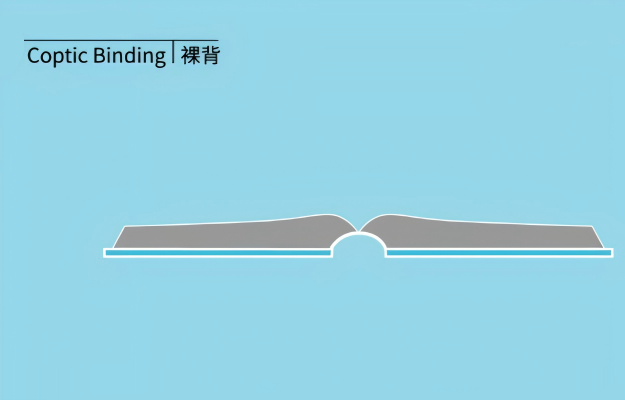 Coptic BindingCoptic binding uses visible thread stitching without a glued spine. The book opens completely flat across all pages. It emphasizes craftsmanship and structural transparency. This method is suitable for notebooks, art books, and design-focused projects.
 -
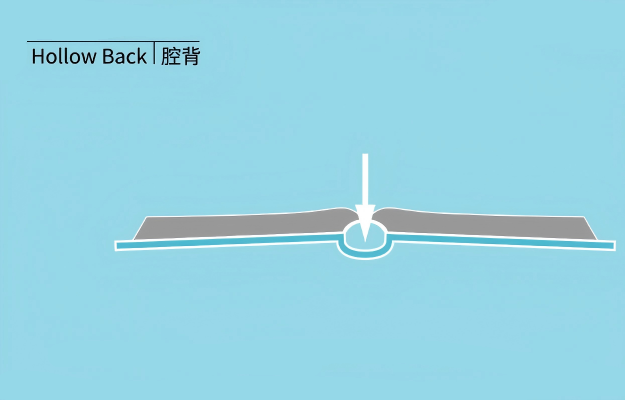 Hollow Back BindingHollow back binding separates the book block spine from the case spine. This structure allows smoother opening and reduces stress on the spine. Spine stamping and lettering are less likely to crack or wear. It is commonly used for high-quality hardcover books.
 -
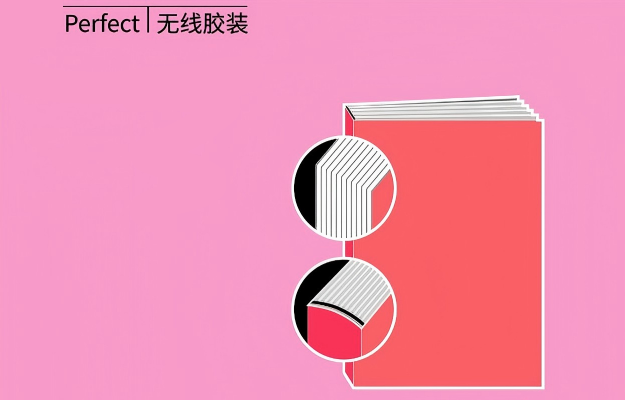 Perfect BindingPerfect binding secures pages using industrial adhesive applied to the spine edge. It produces a flat, printable spine suitable for title and branding. This method is cost-effective and widely used for paperbacks and catalogs. It does not open fully flat and has lower durability than sewn bindings.
 -
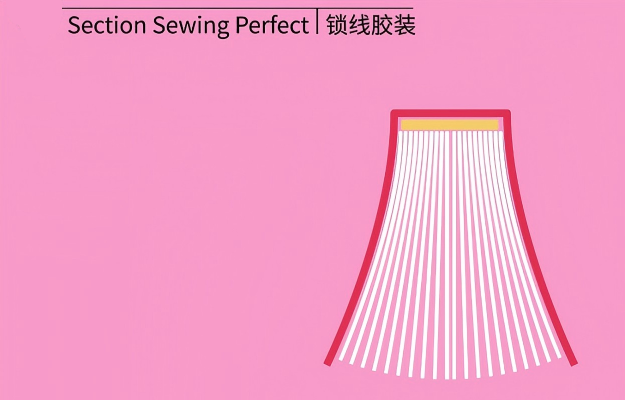 Section Sewing Perfect BindingThis method stitches folded signatures together before applying adhesive binding. It significantly improves spine strength and page retention. Books open more smoothly than standard perfect binding. It is suitable for higher-quality paperbacks and long-term use publications.
 -
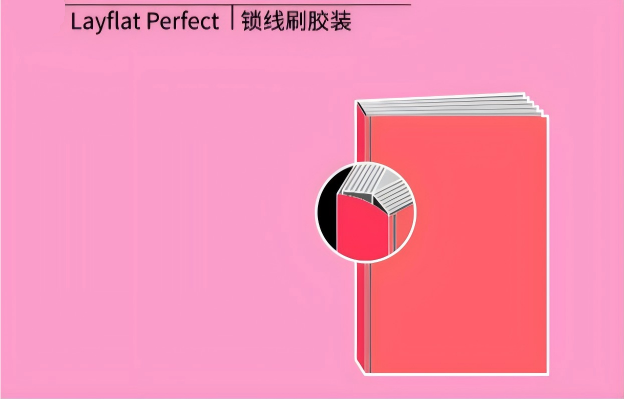 Lay-flat Perfect Sewn BindingThis binding combines section sewing with a specially engineered adhesive spine. The structure reduces spine tension and improves flat opening. It maintains a conventional spine while enhancing usability. It is ideal for manuals, image-heavy books, and design publications.